
Why Shared Laughter Is the Best Stress Relief Practice
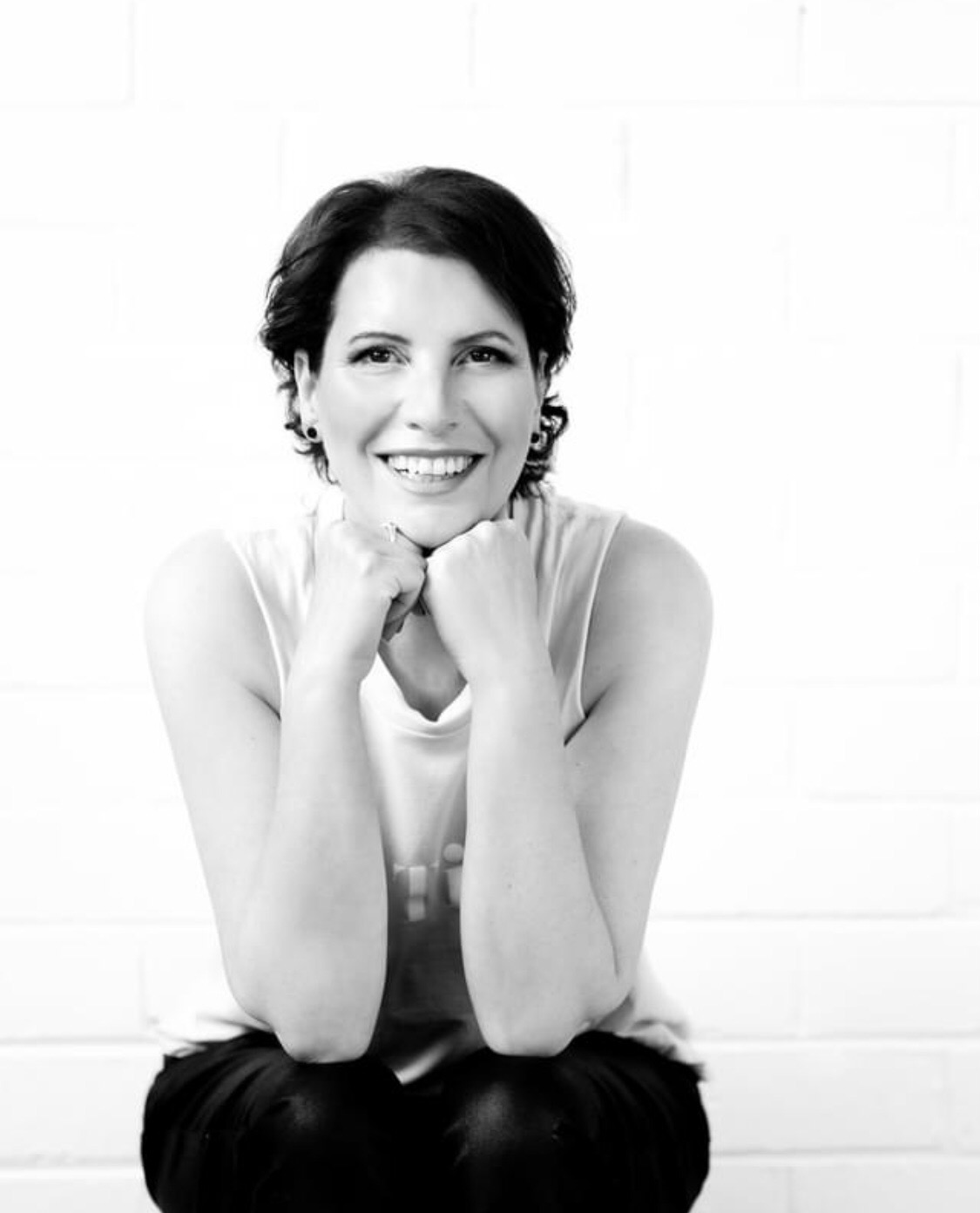
Wowsers, I can't believe it's October already! The last stretch of the year can feel like someone pressed fast-forward. Spring arrives, the days grow longer and warmer, and a new burst of energy often comes with it. At the same time, the calendar starts filling up with end-of-year jobs, social plans, family commitments, school events, work deadlines, and that odd pressure to “get everything done” before the long summer holidays.
No wonder so many people reach this time of year feeling stretched thin.
Stress does not always arrive as one big event. Sometimes it builds quietly through a hundred tiny demands. A full inbox. A packed weekend. A restless sleep. A sense that there is never quite enough time.
That is where laughter can help.
Not the polite little laugh we give when we are trying to be agreeable. Not the automatic “haha” we type into a message. I mean real, shared laughter. The kind that softens your shoulders, changes your breathing, brightens your face, and reminds you that life is still allowed to feel light.
Laughter is not only a reaction. It can also be a conscious wellness practice. Used gently and regularly, it can help release tension, strengthen connection, and bring the mind back into the present moment.

The end of the year asks a lot from the nervous system
October has a particular kind of energy. In Australia, spring is in full swing. There is more light in the day, the air feels softer, and many people feel a renewed spark after winter.
At the same time, the final months of the year can bring a strange mix of excitement and overload. The mind starts counting down. There are projects to finish, events to attend, gifts to organise, trips to plan, people to see, and loose ends to tie up.
The body often responds before we realise what is happening. Breathing becomes shallow. Sleep feels less restful. Patience wears thin. Small tasks start to feel heavier than they should.
This is especially true as we move through the closing months of 2026, a year many have described as fast-moving and fiery. Whether or not you follow the symbolism of the Year of the Fire Horse, the feeling is relatable. Things have moved quickly. Many people are ready for more ease.
Stress relief does not always have to be serious, quiet, or solitary. It can also be playful, social, and surprisingly simple.
Shared laughter gives the nervous system a different signal. It says, “Right now, in this moment, we are safe enough to soften.”
Why laughter works so well as a stress practice
When people talk about stress relief, they often mention meditation, exercise, journaling, breathwork, or time in nature. All of these can be useful. Laughter belongs in the same conversation because it works through the body, not only the mind.
A good laugh changes your breathing. It encourages fuller exhalations, which can help the body let go of held tension. It moves the diaphragm, shifts facial muscles, and often interrupts repetitive thinking.
Research suggests laughter may support mood, ease stress, and help people feel more socially connected. This does not mean laughter is a cure for anxiety, burnout, illness, or grief. It means laughter can be one helpful tool in a broader wellbeing kit.
The beauty of laughter is that it does not require special equipment. You do not need to be flexible, experienced, spiritual, or good at sitting still. You do not even need to feel happy before you begin.
With Laughter Wellness, the practice can start intentionally. You make space for laughter through playful exercises, gentle movement, eye contact, breath, sound, and shared participation. Often, voluntary laughter becomes genuine laughter because the body recognises the rhythm and the group energy.
That is one reason shared laughter is the best stress relief practice for many people. It meets us where we are. It helps us shift state without needing to analyse ourselves into feeling better.
Adults often forget how to laugh freely
Children laugh easily. They laugh with their whole bodies. They laugh at silly faces, odd sounds, unexpected movements, and tiny surprises.
Adults often become more guarded. We filter ourselves. We worry about looking foolish. We wait for something “funny enough” before we let ourselves laugh. Some days, laughter becomes so rare that we barely notice its absence.
The good news is that laughter can be remembered.
A Laughter Wellness practice does not ask you to perform comedy or be the life of the party. It does not ask you to tell jokes. In fact, jokes can sometimes get in the way because they rely on humour, taste, timing, and personal preference.
Laughter practice is different. It uses laughter as an embodied action first. The feeling can follow.
That might sound unusual until you compare it with other practices. People do not always feel calm before they breathe deeply. They do not always feel motivated before they go for a walk. They do not always feel grateful before they begin a gratitude practice.
The practice creates the shift.

Shared laughter builds connection faster than words alone
Stress can make people feel isolated, even when they are surrounded by others. Under pressure, we can become task-focused and less available for warmth, humour, and casual connection.
Shared laughter breaks that pattern.
When people laugh together, the atmosphere changes. Faces open. Conversation becomes easier. The body reads the room differently. Tension loses some of its grip.
This is why laughter can be so powerful in groups. It creates a sense of belonging without forcing intimacy. People can connect through a light, human moment before they need to explain anything.
In workplaces, community groups, families, and wellbeing circles, shared laughter can help reset the tone. It does not erase conflict or solve practical problems by itself, but it can make people more open, more present, and more able to engage.
Think of the last time you laughed with someone unexpectedly. Maybe it was over a misheard word, a pet doing something ridiculous, a child’s honesty, a kitchen mishap, or a moment when everyone realised they were taking things far too seriously.
The content of the laugh may have been small. The effect may have lasted much longer.
Try the laughter awareness challenge
Before adding any new practice, start with awareness.
For the next few days, simply notice your laughter. Do not judge it. Do not turn it into another task to complete. Stay curious.
Ask yourself:
How many times did I laugh today?
Was it a real laugh, a polite laugh, or a typed response?
What made me laugh?
Who was I with?
How did my body feel afterwards?
Did laughter come easily, or did it feel a little distant?
This is not about scoring yourself. It is about noticing your current relationship with joy, levity, and play.
Some people discover they laugh more than they realised. Others notice that days pass with very little laughter at all. Both discoveries are useful.
Awareness opens the door to choice.
Daily Laughter Wellness practices to try
If your laughter has been feeling a little thin on the ground, try one or two of these practices over the next week. Keep them short and light. A few minutes is enough to begin.
Start the day with a smile breath
Before looking at your phone, sit or stand comfortably. Take a slow breath in. As you breathe out, let a gentle smile spread across your face.
Repeat three to five times.
If it feels natural, add a soft chuckle on the exhale. It may feel fake at first. That is fine. The aim is not to force joy. The aim is to invite the body into a warmer state.
Use the one-minute laughter reset
Set a timer for one minute. Begin with a quiet “ha, ha, ha” sound. Let it be awkward if it is awkward. Let it be silly if it is silly.
You can do this in the car before leaving the driveway, in the shower, on a walk, or somewhere private.
After one minute, pause and notice your breathing. Many people feel clearer, lighter, or more awake.
Share a tiny moment of silliness
Send a voice note with a funny sound to someone who would appreciate it. Make a ridiculous face at your partner across the kitchen. Dance badly for 20 seconds. Use a playful voice while feeding the dog.
Small moments count.
The point is not to entertain everyone. The point is to let play back into everyday life.
Laugh with your body
Stand with your feet hip-width apart. Shake out your hands. Roll your shoulders. Let out three strong “ha” sounds from the belly.
Then try laughing silently, with your shoulders bouncing. After that, try a big theatrical laugh for a few seconds.
This helps shift laughter from an idea into a physical experience.
End the day with a laughter memory
Before sleep, think of one moment that made you smile or laugh during the day. If nothing comes to mind, remember a funny moment from another time.
Let yourself replay it for a few breaths.
This gently trains the mind to notice lightness, not only unfinished tasks.

Make laughter easier to find
Laughter becomes more available when the environment supports it. That does not mean pretending everything is fine or ignoring real pressure. It means making room for lightness alongside responsibility.
Try adding more laugh-friendly cues into ordinary life:
Keep a list of shows, clips, podcasts, or books that reliably make you laugh.
Spend time with people who bring out your playful side.
Say yes to activities that feel fun, not only useful.
Notice when you are taking a minor problem very seriously.
Let yourself be a beginner at something.
Choose music that makes movement irresistible.
Share funny family stories or harmless mishaps over dinner.
Laughter thrives where perfection loosens its grip.
If life has been heavy, laughter may need a gentle reintroduction. Start small. A smile. A chuckle. A playful exchange. A moment of absurdity.
Joy does not always arrive as a lightning bolt. Sometimes it returns through tiny openings.
Why guided laughter experiences can help
Practising laughter alone can be useful, but shared experiences often make it easier. A guided laughter session gives people permission to participate without needing to invent the fun themselves.
In a supportive group, the awkwardness usually passes quickly. Once a few people begin laughing, the room warms up. The focus shifts from self-consciousness to connection.
This is why immersive laughter events can feel so refreshing at the end of a demanding year. They offer a structured way to release stress, recharge, and meet others in a positive setting.
One example is my 'NetLaughing: Networking with a Twist'!' event on the evening of Thursday 22 October in Elwood, VIC. It blends authentic conversation, connection, and Laughter Wellness in a friendly atmosphere. Rather than the usual pressure of formal networking, the experience invites people to arrive as humans first. The laughter opens the door, and the conversation follows more naturally.
Events like this work because they combine two things many adults need more of, meaningful connection and permission to lighten up.
Laughter is not denial
It is worth saying clearly that laughter is not about bypassing hard feelings. It is not about forcing positivity or laughing over pain.
Healthy laughter has room for truth. It can sit beside grief, stress, uncertainty, and fatigue. Sometimes laughter gives us a small pocket of relief when life feels crowded. Sometimes it helps us feel less alone. Sometimes it reminds us that we are more than our to-do lists.
There is a profound kind of medicine in shared laughter because it brings people back to the body, back to breath, and back to one another.
That medicine is simple, but not shallow.

Let the final months feel lighter
The closing months of the year will still ask things of you. There will still be plans, deadlines, decisions, and details. But you do not have to move through them with your jaw clenched and your shoulders up around your ears.
Over the next few days, notice your laughter. Track it gently. See what invites it. See what blocks it. Then choose one small daily practice and give it a try.
Laugh on purpose. Laugh with others when you can. Let levity become part of how you care for your body and mind.
The year may be moving quickly, but you can still pause long enough to breathe, smile, and remember that joy is allowed here too.


Comments